


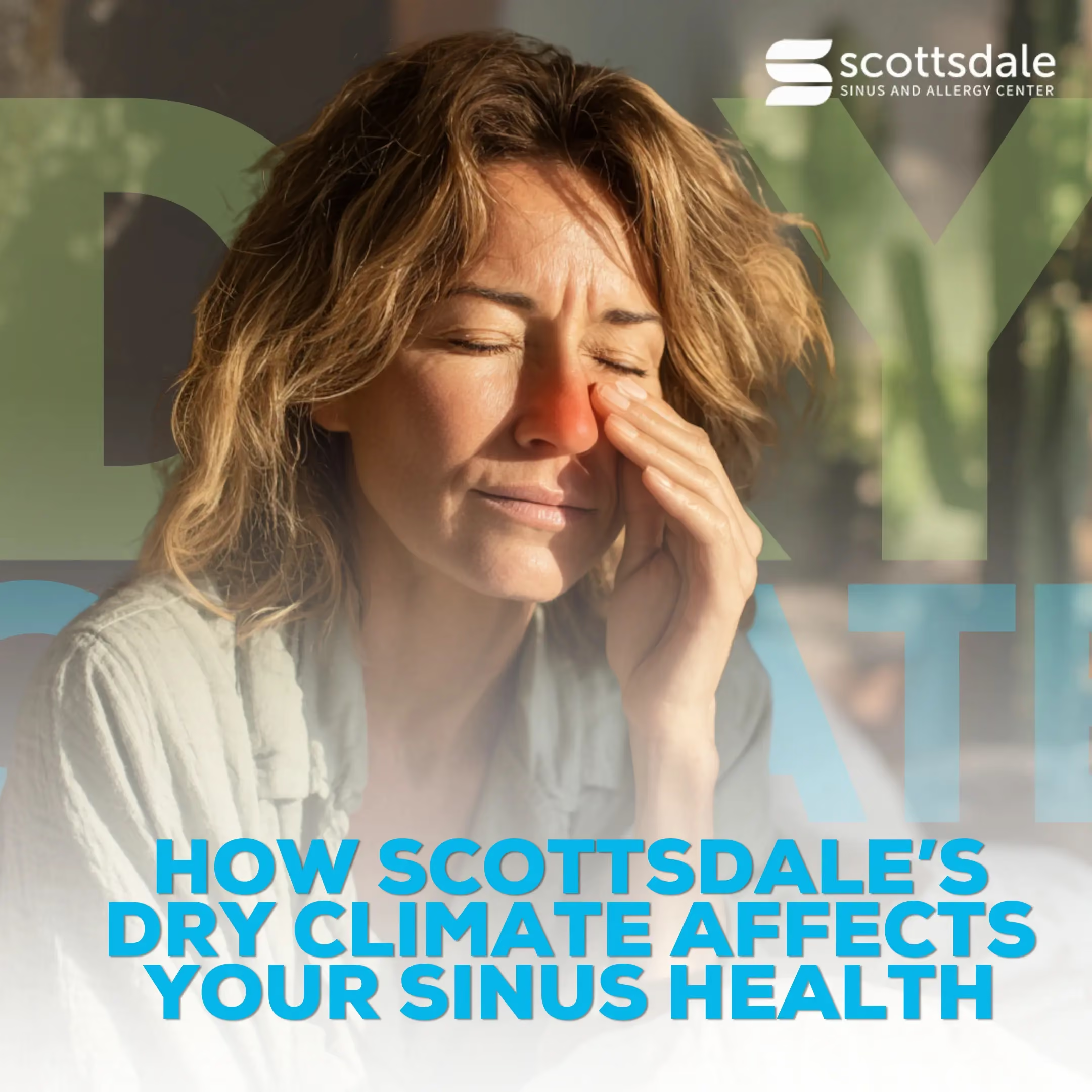
How Scottsdale’s Dry Climate Affects Your Sinus Health
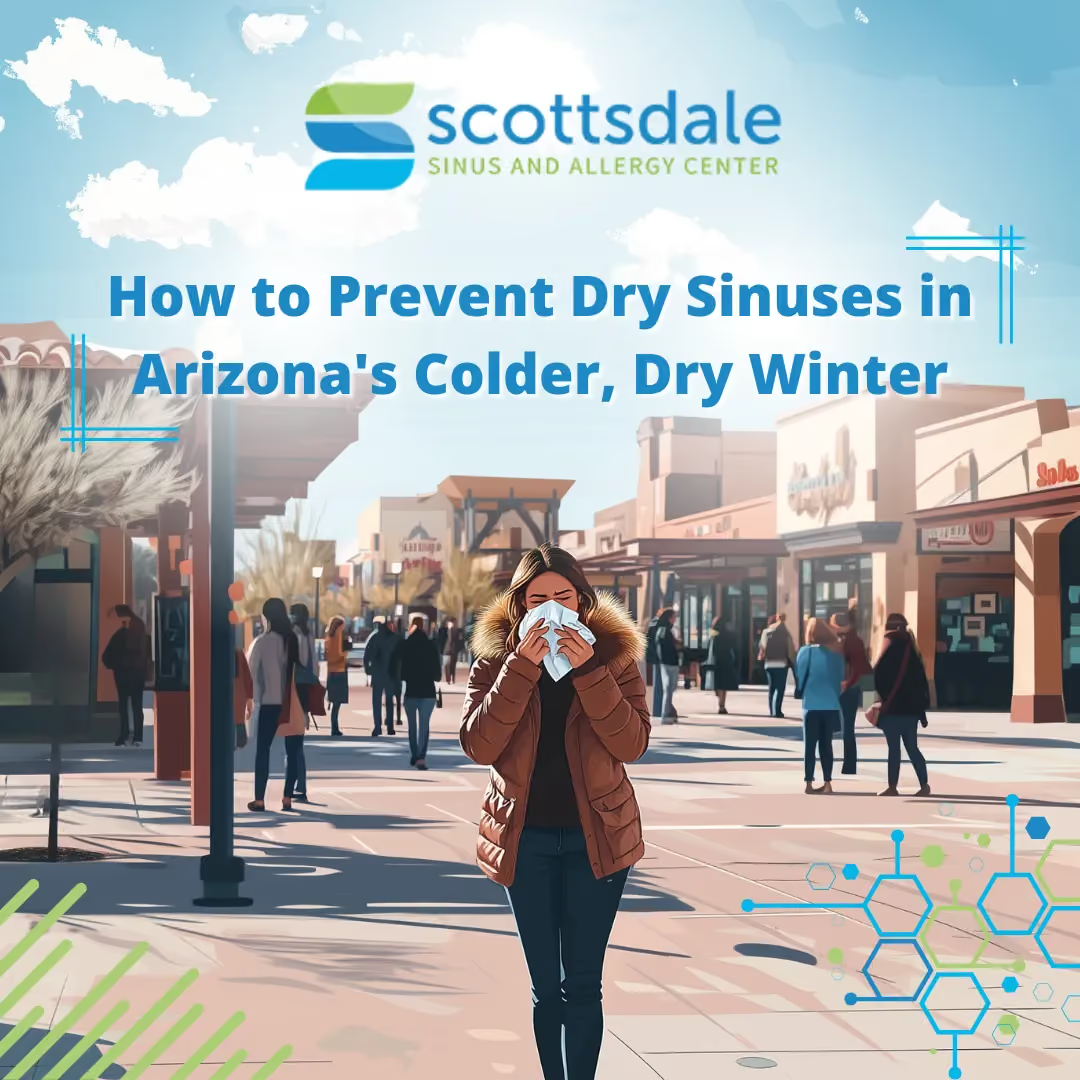
People often expect Arizona's dry climate to feel easier on their sinuses than humid environments. Then something strange happens.
They aren't sick. They don't necessarily have a sinus infection. Yet they find themselves waking up with a dry throat, feeling congested during the day, or wondering why they keep clearing their throat after a morning walk.
At Scottsdale Sinus & Allergy Center, these are common concerns among local patients. What surprises many of them is that the desert climate itself may be contributing to symptoms they never associated with sinus health.
The Problem Isn't Just Dryness
When most people think about dry air, they picture chapped lips or dry skin.
Your sinuses, however, rely on moisture to function properly.
Inside the nose and sinuses is a thin layer of mucus that helps trap dust, pollen, bacteria, and other airborne particles. Tiny hair-like structures move that mucus toward the back of the throat, helping clear unwanted debris from the nasal passages.
In Scottsdale's low-humidity environment, that system can become less efficient.
As moisture evaporates more quickly, mucus may become thicker and harder to move. Instead of clearing naturally, it can linger in the nasal passages and create irritation, pressure, or a sensation of congestion.
This is one reason some people feel "stuffed up" even though they are not producing much mucus.
Symptoms That Don't Always Feel Like Sinus Problems
Not every sinus issue begins with facial pain or a sinus infection. In fact, some of the earliest signs can seem unrelated. You may notice the following symptoms:
- Frequent throat clearing
- A dry or scratchy throat in the morning
- Mild headaches that occur regularly
- Crusting inside the nose
- Occasional nosebleeds
- Reduced sense of smell
- A feeling of pressure without significant drainage
These symptoms can gradually become part of everyday life, especially for people who have lived in Arizona for years. Because they develop slowly, many people simply assume they're normal.
Why Outdoor Living Can Add to the Challenge
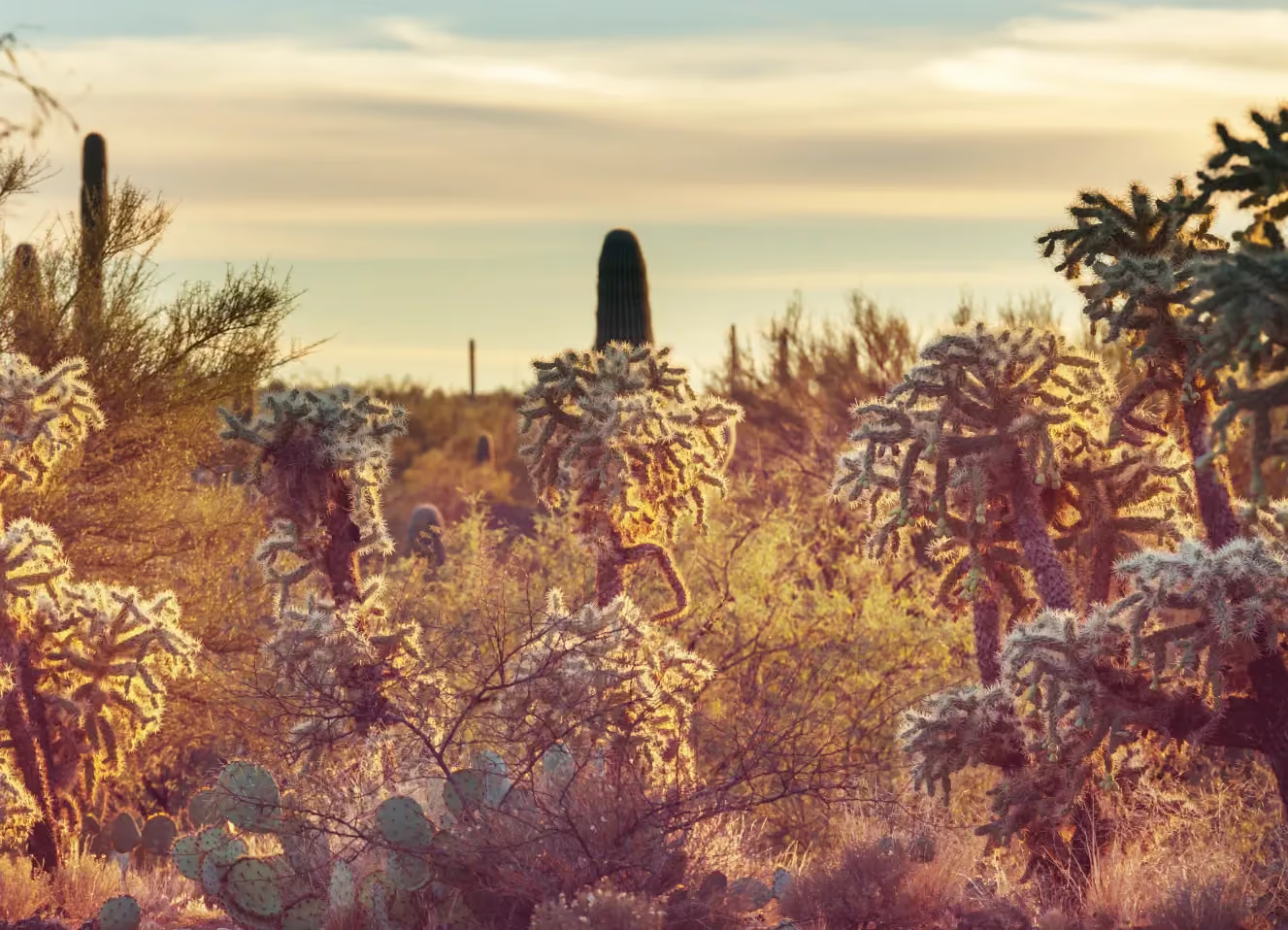
One of the benefits of living in Scottsdale is being able to spend time outdoors throughout much of the year.
Whether you're hiking in the McDowell Sonoran Preserve, golfing, cycling, or attending outdoor events, you're spending time in an environment that can expose your nasal passages to dry air, desert dust, and seasonal pollen.
That combination can place additional stress on already sensitive sinus tissues.
Some residents notice symptoms become worse after spending long periods outside, particularly during windy conditions or seasonal pollen peaks that affect communities throughout Scottsdale, Paradise Valley, Fountain Hills, and surrounding areas.
Dry Air and Allergies Often Overlap
Another source of confusion is that dry-air irritation and allergies can feel very similar.
Both can contribute to congestion, postnasal drip, throat irritation, and sinus pressure.
For some patients, the issue is not one or the other.
Dry air may irritate the lining of the nose while environmental allergens trigger inflammation at the same time. The result can be symptoms that seem to linger throughout the year rather than appearing only during allergy season.
This is why allergy testing and a thorough ENT evaluation can sometimes reveal contributing factors patients weren't aware of.
How Do I Know It's Time to Stop Waiting and Get Checked?
Not every episode of nasal dryness requires medical attention. However, it may be worthwhile to seek an evaluation if:
- Symptoms continue for several weeks.
- Congestion keeps returning.
- You experience recurring sinus infection symptoms.
- Nosebleeds happen frequently.
- Sleep quality is affected.
- You find yourself avoiding outdoor activities because of discomfort.
- Symptoms interfere with work, exercise, travel, or daily routines.
A thorough ENT evaluation can help determine whether dry air is the primary issue or whether conditions such as allergies, chronic sinusitis, nasal polyps, or structural concerns may also be involved.
Sometimes the biggest benefit is simply understanding why symptoms keep coming back.
Understanding What Your Sinuses Are Telling You
Scottsdale's climate offers plenty of advantages, but desert living can affect the nose and sinuses in ways that are easy to overlook.
Persistent congestion, recurring throat irritation, reduced sense of smell, or unexplained sinus pressure are not always signs of an infection. In many cases, the dry environment can disrupt the normal balance your sinuses need to stay comfortable and function efficiently.
At Scottsdale Sinus & Allergy Center, helping patients identify the source of ongoing sinus concerns starts with understanding how local environmental factors may be affecting their health and quality of life.
Schedule your visit with us today and learn more about your sinus health!
Prepare for Allergies in Spring 2022
%20(1).avif)

.avif)
%20(1).avif)
.png)
%20(1).avif)
.avif)

.avif)

.avif)




.avif)
.avif)
.avif)
.avif)
.avif)
.avif)
.avif)
.avif)
.avif)
.avif)
.avif)
.avif)
.avif)
.avif)
.avif)

.avif)
.avif)


%20(1).avif)
.avif)






The information provided in this article is for informational and educational purposes only and does not constitute medical advice. It is not intended to diagnose, treat, cure, or prevent any disease or medical condition. Always seek the guidance of your physician or other qualified healthcare provider with any questions you may have regarding a medical condition or treatment.
Results may vary: Treatment outcomes and health experiences may differ based on individual medical history, condition severity, and response to care.
Emergency Notice: If you are experiencing a medical emergency, call 911 or seek immediate medical attention.