


.avif)
5 Habits That Make Sinus Infections Worse
A sinus infection can start out feeling like a minor problem. A little pressure in the face, a stuffy nose, thicker drainage, maybe a dull headache. Then a few days pass, and instead of easing up, everything feels heavier. Breathing gets harder, pressure builds, and the same habits that seemed harmless at first may start working against you. At Scottsdale Sinus & Allergy, we often see that the issue is not just the infection itself. It is also what is happening around it.
Not every sinus infection needs specialist care right away, and not every flare-up is bacterial. Many cases start with a virus and improve with time and supportive care. But some day-to-day choices can make symptoms last longer, feel worse, or become harder to sort out. Here are five habits worth paying attention to.
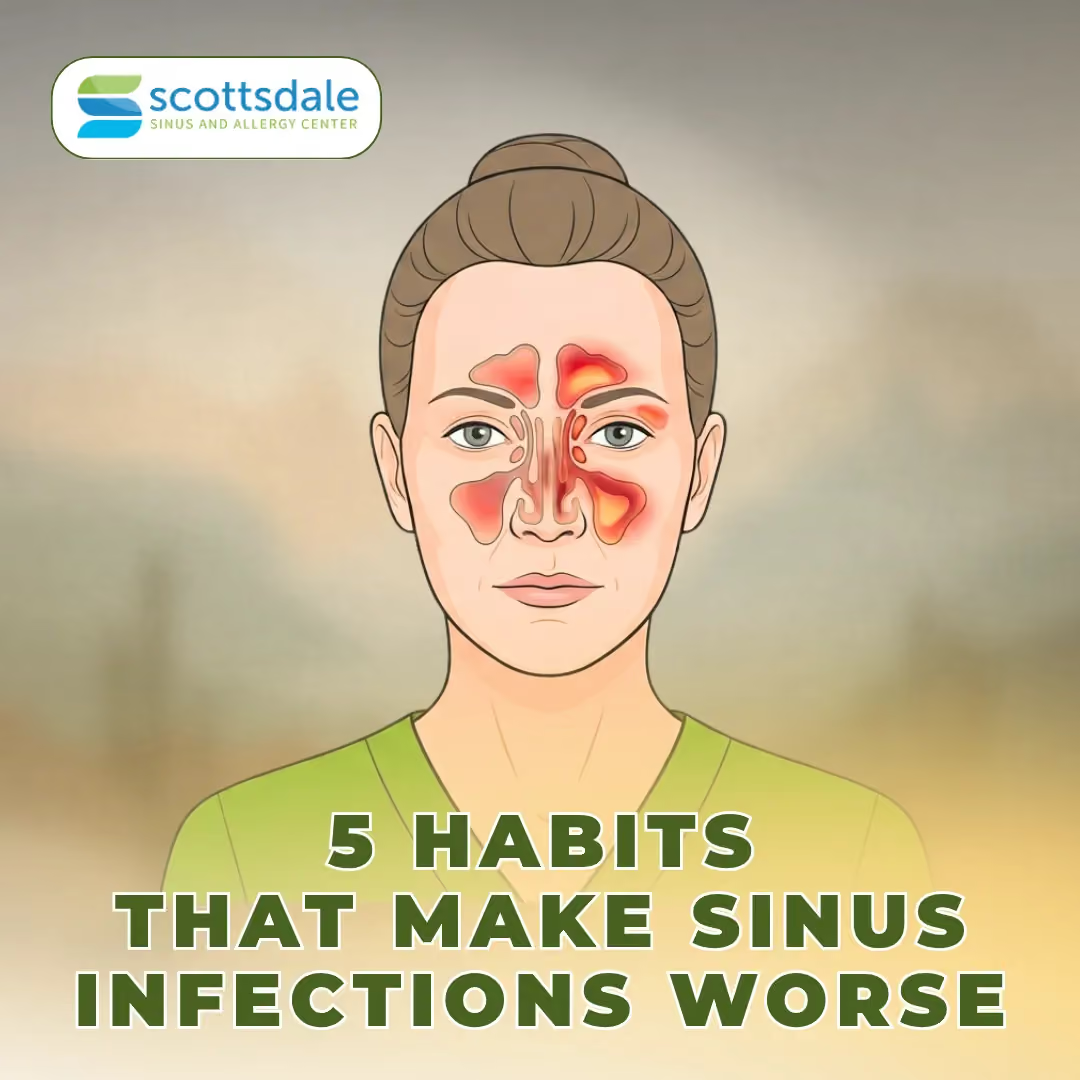
1. Waiting too long to take ongoing symptoms seriously
One of the most common habits is assuming every sinus flare-up is “just a cold” and giving it too much time without reassessing. A short run of congestion may not mean much on its own. But when symptoms last more than 10 days without improving, get better and then worsen, or keep coming back, that is a different pattern. It may point to something beyond a routine viral illness, including bacterial sinusitis, chronic inflammation, or another nasal problem that needs a closer look.
This does not mean every stuffy nose needs an urgent visit. It does mean timing matters. If pressure, drainage, and congestion are no longer following the usual “wait it out” pattern, continuing to treat it like a minor cold may keep you stuck longer than necessary.
2. Overusing decongestant nasal sprays
Decongestant sprays can feel helpful at the moment because they open the nose quickly. The problem is that overusing them can backfire. Repeated use can lead to rebound congestion, also called rhinitis medicamentosa, where the nasal passages become more irritated and blocked instead of less. What started as short-term relief can turn into a cycle of feeling like you need the spray just to breathe normally.
That matters during a sinus infection because extra swelling and congestion can make drainage harder. If the nose stays more blocked, the whole episode can feel worse and harder to recover from. For many people, the issue is not that the spray was used once. It is that it quietly became part of the problem.
3. Letting allergies stay uncontrolled
For some patients, a sinus infection is not the whole story. Allergy-driven inflammation may already be swelling the nasal passages before the infection even starts. When that inflammation is left unchecked, the nose and sinuses may stay more irritated, drainage may be less effective, and pressure may feel more persistent. Allergy management is one of the things that can change the background conditions that sinus symptoms are happening in.
This is one reason we look closely at whether recurring “sinus infections” are really happening on top of untreated allergies or chronic nasal inflammation. If the pattern keeps repeating, it is often worth asking whether allergy triggers, not just infection, are helping keep the cycle going.
4. Staying around smoke and other airway irritants
Smoke, vaping aerosols, and polluted air can irritate the nose and upper airway when they are already inflamed. That can make congestion feel worse and keep the nasal lining from settling down. Guidance for both acute and chronic sinusitis specifically recommends avoiding cigarette smoke and polluted air because they can aggravate the nasal passages.
This tends to matter more during a sinus infection than people expect. When the tissue is already swollen and sensitive, added irritation may make pressure, blockage, and drainage feel more intense. Even if the smoke or irritant is not the original cause, it can still make recovery less comfortable.
5. Doing nasal rinses the wrong way
Saline irrigation can be a useful part of sinus care, but only when it is done safely. One of the biggest mistakes is using straight tap water in a neti pot or rinse bottle. For sinus rinsing, the water is generally recommended to be distilled, sterile, or previously boiled and cooled. The rinse device also needs to be used and cleaned according to instructions.
Another problem is assuming all rinsing is helpful no matter how it is done. Safe irrigation is meant to support the nose, not create another issue. If you are using rinses inconsistently, using unsafe water, or skipping technique altogether, what should be supportive care may become less useful or, in some cases, unsafe.
The bigger pattern to watch
Many of these habits have one thing in common: they keep swelling, irritation, or blockage going longer than they need to. That is often what makes a sinus infection feel worse. The infection itself may be one part of the problem, but the surrounding inflammation, allergy overlap, rebound congestion, or airway irritation can be what makes recovery drag on.
At Scottsdale Sinus & Allergy, we also keep in mind that not every “sinus infection” is actually just an infection. Some cases overlap with chronic congestion, allergy symptoms, or nasal obstruction. When that happens, the same habits can keep pushing the symptoms in the wrong direction because the underlying cause was never simple to begin with.
When a sinus flare-up deserves a closer look
If your symptoms keep hanging on, keep returning, or seem to get worse despite your usual routine, it may be time to step back and look at the full picture. Scottsdale ENT & Allergy can review your symptoms, talk through what may be making them worse, and discuss the evaluation and treatment options that may fit your needs.
Schedule an appointment with Scottsdale Sinus & Allergy today.
Prepare for Allergies in Spring 2022

%20(1).avif)

.avif)
%20(1).avif)
.png)
%20(1).avif)

.avif)

.avif)




.avif)
.avif)
.avif)
.avif)
.avif)
.avif)
.avif)
.avif)
.avif)
.avif)
.avif)
.avif)
.avif)
.avif)
.avif)

.avif)

.avif)



%20(1).avif)
.avif)






The information provided in this article is for informational and educational purposes only and does not constitute medical advice. It is not intended to diagnose, treat, cure, or prevent any disease or medical condition. Always seek the guidance of your physician or other qualified healthcare provider with any questions you may have regarding a medical condition or treatment.
Results may vary: Treatment outcomes and health experiences may differ based on individual medical history, condition severity, and response to care.
Emergency Notice: If you are experiencing a medical emergency, call 911 or seek immediate medical attention.