



Learn about common causes of sinus infection symptoms and when to seek an evaluation. If you find yourself struggling with frequent or recurring sinus infections, you are not alone. Many people experience the same thing, and there are a range of treatment options to discuss with a provider.
Common Approaches to Treating a Sinus Infection
Sinusitis occurs when the sinus cavities become inflamed. The cavities swell and produce more mucus than usual. Because the cavities are swollen, mucus may become trapped inside. This can lead to infection, which may persist unless the mucus is able to drain from the sinus cavities.
Some of the symptoms of sinusitis are:
- Congestion
- Headaches or facial pain
- Fatigue
- Fever
- Runny nose
- Postnasal drip
- And more
Sinusitis presents differently in each person. Different patients experience a range of symptoms and may require different treatment options depending on the severity of their condition. If your symptoms are persistent or severe, an evaluation can help determine appropriate next steps.
Below are some treatment options commonly discussed with patients:
Medication Options
Sinus infections are often managed with over-the-counter or prescribed medication.
Nasal Spray:
Many patients use decongestant or corticosteroid nasal sprays. Both aim to reduce swelling of the nasal passages so mucus can drain. Decongestant sprays are not intended for long-term use. Corticosteroid sprays may be appropriate for longer-term use in some patients. Your provider can advise on what is suitable for you.
Antibiotics:
When a sinus infection is long lasting, antibiotics may be considered. Antibiotics are only effective against bacterial sinus infections, not viral ones. Your provider can determine whether they are appropriate in your case.
Over-the-Counter Medication:
Many patients use over-the-counter medication while recovering from a sinus infection. These may help with symptom severity, but some medications should not be taken together. Consult your doctor if you are unsure.
Sinus Surgery:
For some patients, nasal sprays, over-the-counter medications, and antibiotics may not provide adequate relief. In some cases a structural issue may be preventing mucus from draining properly. Your provider can discuss whether a procedural option is appropriate for your situation.
Balloon Sinuplasty at Scottsdale Sinus and Allergy:
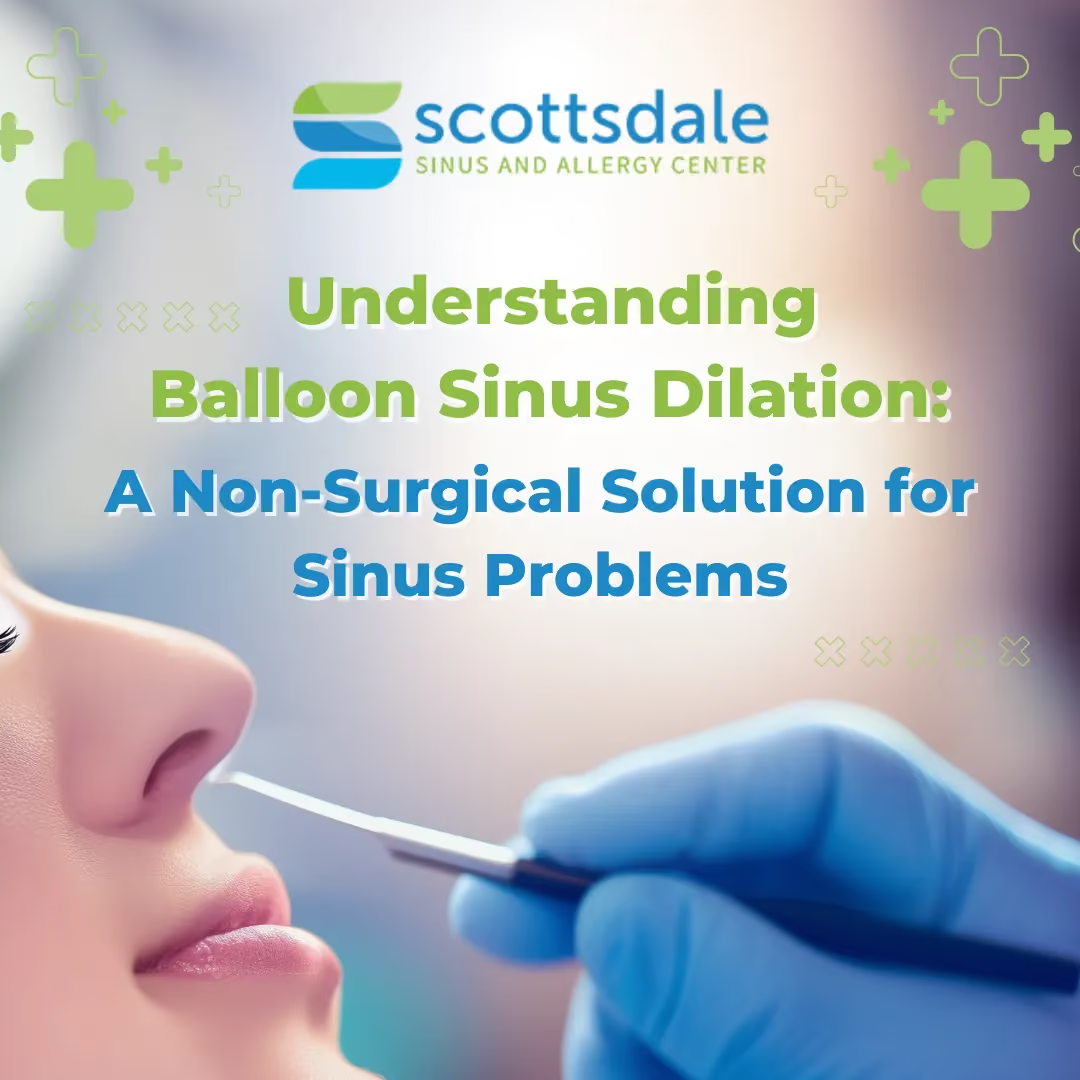
Balloon sinuplasty is a minimally invasive treatment option that may be appropriate for certain sinus concerns. The procedure gently opens the sinus passage to support natural drainage. Characteristics of the procedure include:
- In-office procedure
- Minimally invasive
- No cutting or removal of tissue
Your provider will discuss potential benefits, risks, and individualized recovery guidance.
Ready to discuss your sinus symptoms?
Book an appointment with Scottsdale Sinus and Allergy today!
Prepare for Allergies in Spring 2022



%20(1).avif)

.avif)
%20(1).avif)
.png)

%20(1).avif)
.avif)



.avif)

.avif)




.avif)
.avif)
.avif)
.avif)
.avif)
.avif)
.avif)
.avif)
.avif)
.avif)
.avif)
.avif)
.avif)
.avif)
.avif)

.avif)



.avif)



%20(1).avif)

.avif)





The information provided in this article is for informational and educational purposes only and does not constitute medical advice. It is not intended to diagnose, treat, cure, or prevent any disease or medical condition. Always seek the guidance of your physician or other qualified healthcare provider with any questions you may have regarding a medical condition or treatment.
Results may vary: Treatment outcomes and health experiences may differ based on individual medical history, condition severity, and response to care.
Emergency Notice: If you are experiencing a medical emergency, call 911 or seek immediate medical attention.